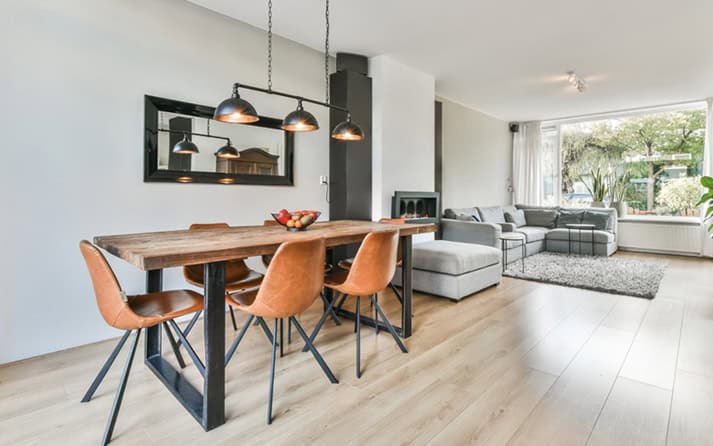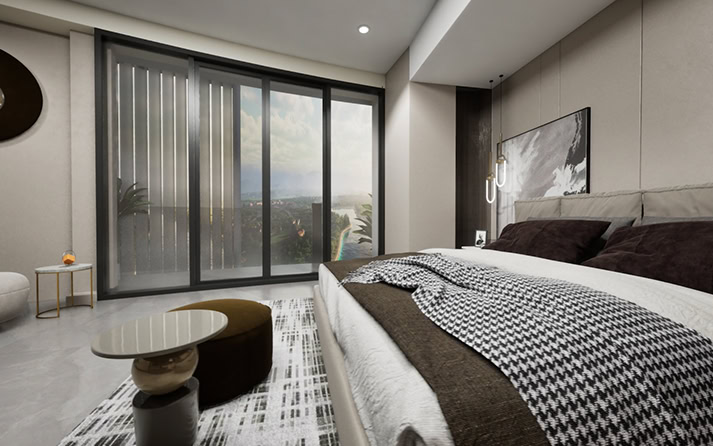

A home is more than walls and a roof—it’s where you find peace, recharge, and feel secure. Many Islamabad residents are opting for high-rise houses and vertical living. Why? Contemporary living revolves around balance rather than only physical space.
People want a good house environment that satisfies lifestyle needs, mental well-being, and physical health. Wellness-centred houses are fast becoming the norm, from light-filled rooms to more subdued environments.
Let’s look at the definition of wellness home design, its main components, and easy methods to design rooms that support both body and mind.
What Is Meant by a Wellness-Focused Home?
More than just aesthetics, a wellness home design helps you feel every day. Your mood, vitality, and health depend on your living environment. That’s the reason a good house environment is becoming increasingly significant. It considers both mind and body and combines design with ease.
Consider how natural noises, wind, and sunshine rejuvenate and relax you or how a peaceful place lets you unwind after a trying day. Light, air, sound, nature, and comfort are balanced in a wellness-oriented house. It’s about setting a beat in your house to improve your daily life.
Long-term well-being depends on this kind of design, which is also sensible, nurturing, and important.
Vital Components of a Wellness-Focused Home
Creating a wellness-centred home is about concentrating on the small things, not beginning over.
-
Ventilation and natural light
Good natural light design helps your body’s internal clock, improving sleep and lifting mood. Combine that with adequate ventilation to improve the interior air quality in-house norms.
-
Biophilic Interior Design
People gravitate towards nature. Bringing it inside with stone finishes, wood textures, or plants helps to reinforce that connection. Indoor plants for health provide tranquility as well as air filtering capabilities and greenery.
-
Materials and calming hues
Earthy colours and delicate neutrals provide warmth. Natural stone and wood produce grounded, welcoming environments.
-
Clean spaces free of clutter
Minimalism is about making room for peace rather than about being empty. Clean environments help to focus and so lower stress.
-
Acoustic Design House
Noise pollution is real. Carpets, curtains, and good soundproofing enable mental clarity by establishing a setting.
Every one of these design components relates to balance: environments that breathe, comfort that feels natural, and details that silently support your daily well-being.
Designing for Mental Wellness

Your house should give your brain an opportunity to unwind. That’s where wellness-focused design becomes so important. Your mind may be calmed at once in a calm corner or relaxing nook design, like a reading corner, meditation area, or wellness room. These deliberate spaces must be purposeful rather than big.
Another degree is created by scents and textures. Soft cloths, essential oils, or even fresh blooms enable calm emotions to be created. Many people find screens to be their main stressor. This is why digital detox areas are increasingly found in home decorations and mindfulness spaces. A corner devoid of electronics, with books or music in place, helps to lessen tiredness.
These little yet deliberate design decisions encourage you to stop, exhale, and start over. Rather than an afterthought, mental health is intertwined with the core of a house built for well-being.
Creating for Physical Wellbeing
A wellness home also aids your body. Movement counts, thus exercise spaces are becoming increasingly well-liked. While some establish a yoga room, others favor home gyms or open layouts that serve as activity zones. These mirror open floor plan benefits, where freedom motivates you to remain active.
Furniture also comes into play. An ergonomic home setup helps posture and helps to avoid stress from extended sitting. The kitchen also helps us to stay healthy. Good lighting, open shelves, and natural surfaces—that is, a design that motivates cooking—help to support nutritious meals.
Another aspect of the puzzle is air quality. Non-toxic sustainable home materials help to improve breathing by lowering indoor chemical levels. It helps your body be in a healthier environment when paired with indoor air quality home solutions like plants and correct ventilation.
The aim? A space that every single day naturally helps you breathe easier, eat well, and keep moving.
Efficient Wellness Design Ideas for Every Household
Not every house has to have a complete makeover. Starting modestly still enables one to have a significant impact. For health benefits, include interior plants; they brighten spaces and purify the air. For a softer, more breathable touch, choose organic materials such as cotton or linen.
Rearranging furniture can also shift the energy flow, making rooms seem more spacious and quiet. One of the easiest methods to establish a clean house is decluttering. Even a tabletop water feature or gentle illumination can help you calm down.
Think of design as personal—it’s about blending modern styles with your wellness needs. Whether it’s a relaxation nook idea, better acoustic design home solutions, or maximising natural light design, each small step adds comfort and balance. Wellness-focused living isn’t a luxury; it’s a mindset you can build room by room.
Conclusion
Homes are more than places to live—they shape how we feel, think, and act every day. A wellness home design brings comfort, health, and peace of mind together. This shift isn’t just about interiors; it’s about lifestyle. By adding light, plants, calm spaces, and healthier materials, you create a living space that supports your whole self. Remember, every small change matters. Whether big or small, your choices move you closer to a home that truly nurtures mind and body.