Modern life sometimes draws us away from nature. We breathe air that is not always fresh, look at screens, and live in concrete blocks. Biophilic design in homes starts then. It’s about using natural forms, textures, plants, and light to bring nature inside our houses. Living like this is not only about looks.
Through biophilic design, it seeks to increase health and well-being. Consider a home that allows you to feel more at ease, sleep better, and connect with nature without leaving the metropolis.
Let’s look at the health advantages of biophilic design, easy biophilic home décor ideas, and how it lowers stress while promoting healthier lifestyles.
Biophilic Design is what?
Making our houses seem closer to the natural world through biophilic design in residential spaces helps us. The concept is straightforward: people need nature. We flourish when we view it, touch it, or reside with it. This means incorporating natural light, plants, water, wood, or stone into daily life.
Conventional homes often give little consideration to nature and concentrate on walls, furniture, and decoration. However, biophilic home design ideas place “nature in home design” in the centre. The difference is felt.
A plant-filled living room with sunlight pouring in feels different from a windowless, artificial space. Because it promotes environmentally conscious decisions and falls under sustainable home design and environmentally friendly interior design. More hospitable, healthier, and planet-friendly biophilic houses are created.
Health Benefits of Biophilic Design

Biophilic design has obvious health advantages. It first reduces stress. Calming the mind in areas replete with lush vegetation and soft natural light. Many architects thus discuss stress reduction in home design.
Second, it assists with breathing. Health-oriented indoor plants purify the air and filter toxins. Your living room can be made healthier by a basic peace lily or snake plant.
Third, natural sunshine alters all. Natural light in dwellings helps to increase Vitamin D, synchronise circadian rhythm, and enhance sleep. It also brightens our mood and helps us to be more efficient. Studies have found that people living or employed in nature-inspired surroundings have less anxiety and report more happiness. Even little changes have a significant impact on health.
A wooden dining table, a few houseplants, or a window that welcomes sunlight can transform health. Your mind seems lighter, and your body feels better. That’s the elegance of working with natural elements.
Wellbeing through Biophilic Design
One direction is health. Well-being via biophilic design offers yet another layer. Consider the sensation a space has when it brings you closer to something natural. There’s a feeling of tranquillity and a gentle emotional uplift. People smile more frequently. Families spend more time with each other. Inviting areas where people wish to unwind, interact, and recharge result from interior contact with nature.
Your preferred location for reading or simply slowing down could be a sunlit nook with a comfortable armchair. These areas help to define habits over time. At home, they promote awareness, pleasure, and stronger connections.
It’s more than simply design; it’s lifestyle support. The emotional and social advantages come organically, therefore reminding us why people feel better near nature. Long-term, biophilic homes assist families to be healthier, calmer, and more grounded in their daily lives.
Biophilic Design Benefits in Residences
The biophilic architecture benefits go far beyond style. Yes, though they also function better, these residences are lovely. Using recycled wood, bamboo, or stone in eco-friendly interior design enhances a house’s sustainability.
Sustainable house design means fewer artificial resources, lower bills, and less wasted energy. Natural ventilation or more windows, for instance, cut back on the demand for air conditioning. Shaded balconies or green roofs help keep homes cooler. This results in cost reductions and a reduced carbon footprint over time.
Biophilic houses also help to increase daylighting and air circulation, therefore reducing dependence on artificial illumination. Families have better comfort, cleaner air, and cheaper utility costs. Simultaneously, nature improves your life and helps to preserve the surroundings.
The victory is two-fold. Biophilia is therefore being embraced as a wise course of action by both architects and homeowners.
Practical Biophilic Home Design Suggestions

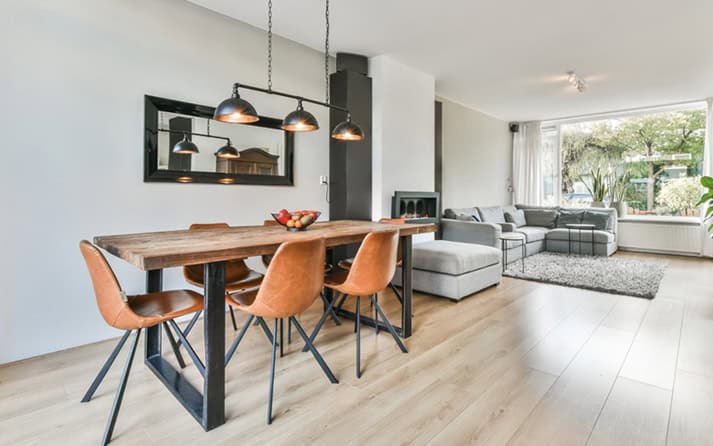
Simple biophilic house design ideas you could start today abound. Let’s discuss. Start with natural light in homes. A space becomes lighter and fresher with huge windows, skylights, or open floor plans. Sunlight sets the rhythm for better sleep and naturally alters the mood.
Then go green—that is, actually, including indoor flora for health. Though low maintenance, peace lilies, spider plants, or bamboo palms are strong air cleaners. Some strategically chosen plants brighten up indoor areas, including bedrooms or living rooms.
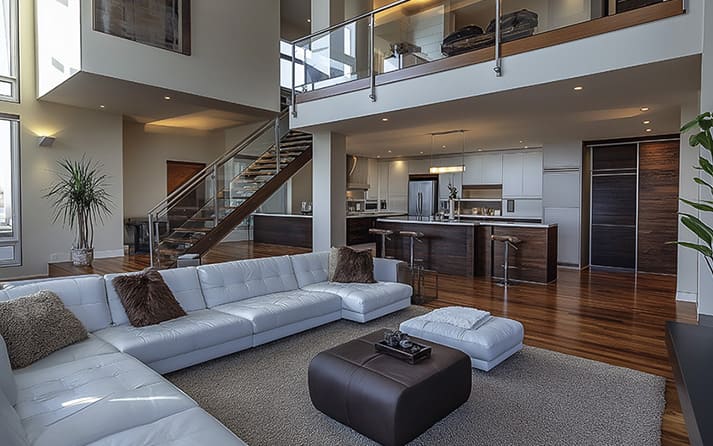
Materials are just as significant. Consider wood for furniture, stone for decorative walls, or bamboo flooring. These organic surfaces have a warmth absent in plastic or synthetic decorations. They link your senses to the earth.
Would you like calm? Include some water. Background music is provided by a little fountain or even a fish tank. Water provides balance and gives a rejuvenating atmosphere.
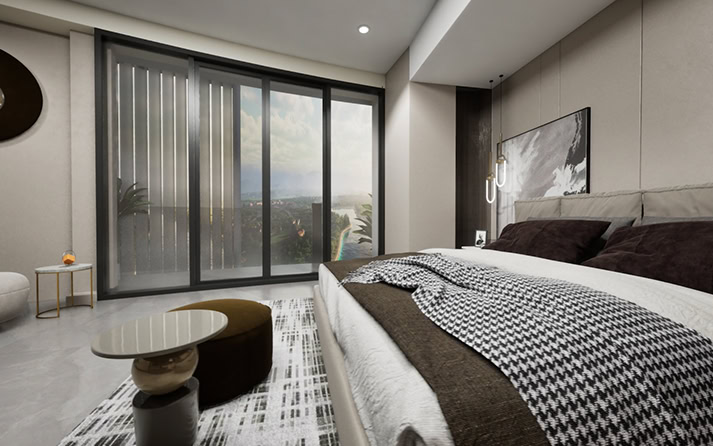
Finally, build exterior connections. Keys are balconies, terraces, or rooms that combine indoor and outdoor spaces. Unlock the sliding door and go out onto a green balcony; almost immediately, you’ll sense a link with nature.
The magic results when you merge modern interiors with biophilic design in homes. Your home may be changed into a little haven right in the middle of the city by natural materials, light, flora, and fluid layouts.
Case Study: Biophilic Home Design for Stress Relief
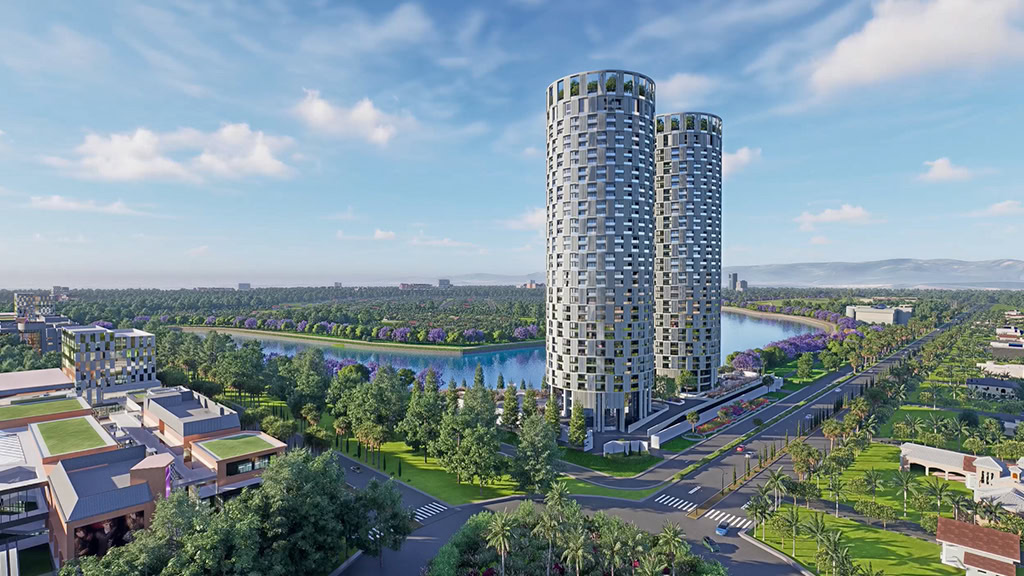
Envision a biophilic modern Islamabad apartment. Floor-to-ceiling windows brighten the living room by letting in light. Indoor plants for health abound throughout every corner to give the design softness and fresh air. Wooden floors add natural warmth.
Gentle sound therapy comes from a little fountain in the living area. This is an actual stress-reducing home design. People say they sleep better, work more productively, and seem calmer. Spending time in the living room makes even children feel better. It’s a great illustration of wellbeing via biophilic design—little elements that result in significant lifestyle changes. Your house naturally aids in your health, therefore releasing stress.
The Biophilic Residential Design Future
Sustainable home design will define housing’s future. Demand for more natural, healthier areas grows as cities expand. Many more builders are using biophilic design in homes, together with intelligent technology for convenience and effectiveness.
Imagine houses where natural light approaches meet indoor gardens and energy-saving solutions. We are going there. This is not only a fad. This is a change in way of life.
People want homes that safeguard the environment as well as their own health. One home at a time—biophilia makes this possible.
Conclusion
To wrap up, biophilic design in residential spaces offers more than beauty. It brings real health benefits of biophilic design, like better sleep, reduced stress, and fresher air.
It also adds well-being through biophilic design by making homes warmer, calmer, and more connected to nature. You don’t need a huge budget to start. Add plants, open up sunlight, or use natural textures.
Small steps in biophilic home design ideas can transform your living space into a healthier, happier place.
Read More
- Smart Homes of the Future: How Technology is Revolutionizing Luxury Apartment Living
- The Vision Behind Green World Towers: Redefining Luxury Apartments in Islamabad
- The Rise of Vertical Living in Islamabad: Why More People Are Choosing High-Rise Homes?
- REITs in Pakistan: Transforming Real Estate Investment